2026 Best Practices Conference
The Braided Path: Weaving together Wisdom, Innovation, and Community
June 15-17, 2026
Nashville, TN
Our Why: USET member Tribal Nations have cared for their communities and environments since time immemorial. This wisdom and these invaluable best practices have been passed down through the generations fostering a unique relationship among each other and all living things. This advances a deep connection with the environment, providing holistic health approaches, and cultivates sustainable economic development.
Conference Definition: USET presents an integrated approach to Tribal Sovereignty and Self-determination through the programmatic lens of our Offices of Environmental Resource Management, Economic Development, and Tribal Public Health. This conference hosts learning sessions for Tribal Leadership and staff to engage in a collaborative setting to share knowledge, wisdom, and innovation to enhance our collective strength and impact.
Goals:
- To provide collaborative spaces for USET member Tribal Nation Leaders and staff to share knowledge, skills, resources, and fortify relationships.
- To promote USET foundational pillars, which support USET member Tribal Nations in strengthening communities of practice.
- To provide innovative support service through cross-sectional tracks.
- To ensure the health, well-being, and self-determination of present and future generations.
Monday, June 15
Welcome Lunch
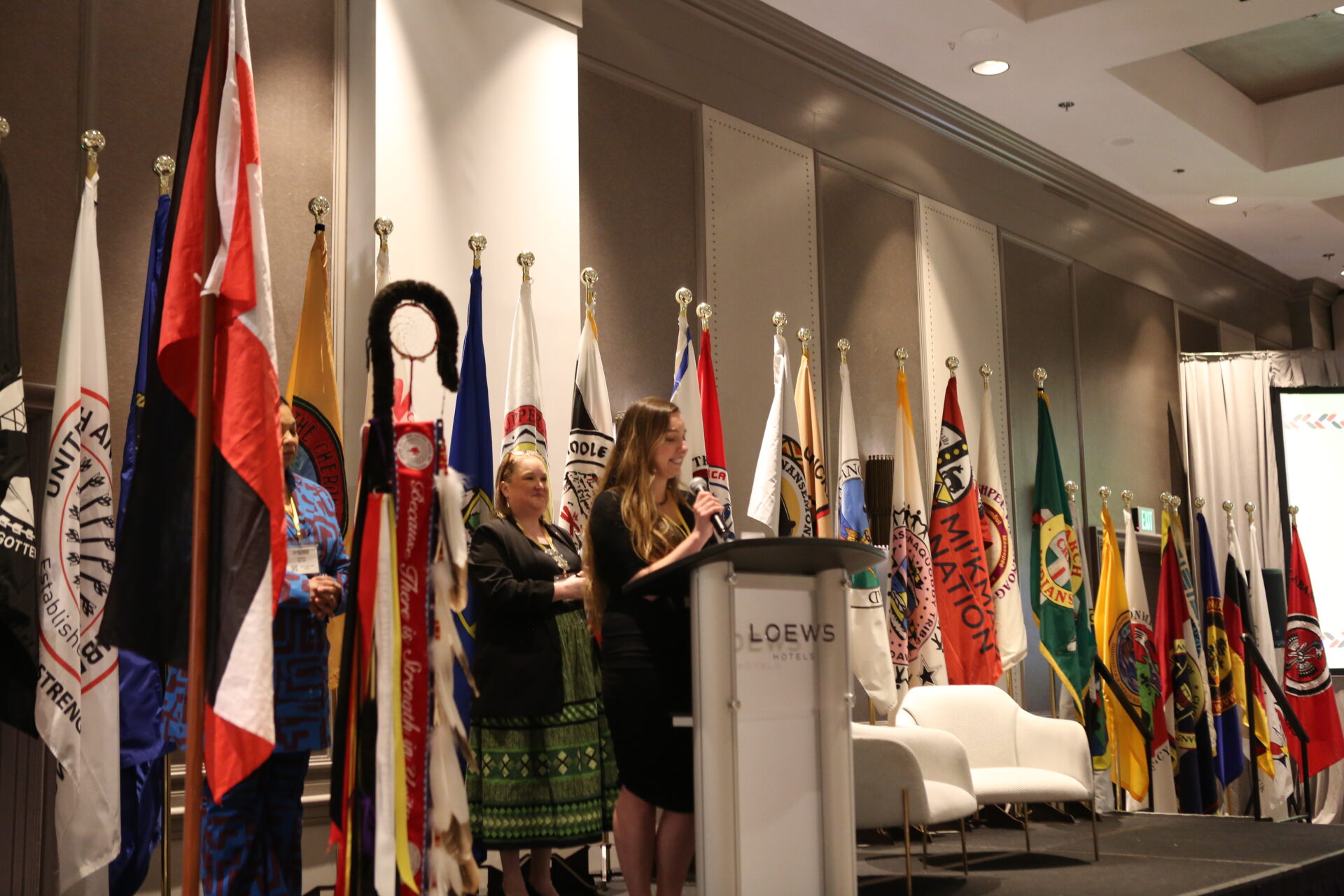
The 2026 USET Best Practices Conference officially opened with a prayer from Secretary/Treasurer Rodrick Beck from the Catawba Indian Nation and brought together Tribal leaders, program staff, partners, and attendees in a shared space focused on connection and community building.
The Braided Path: Leveraging Strength and Connections
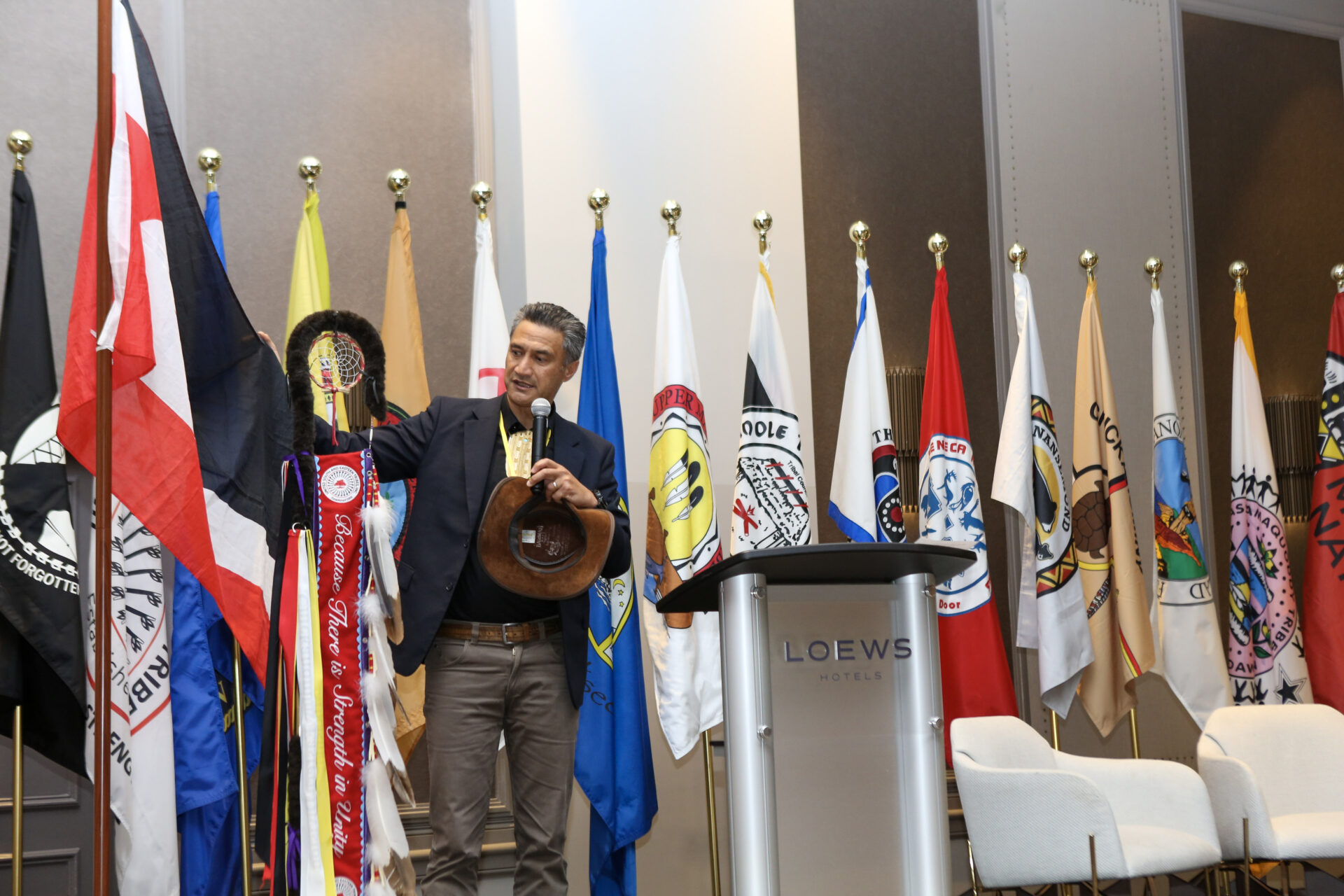
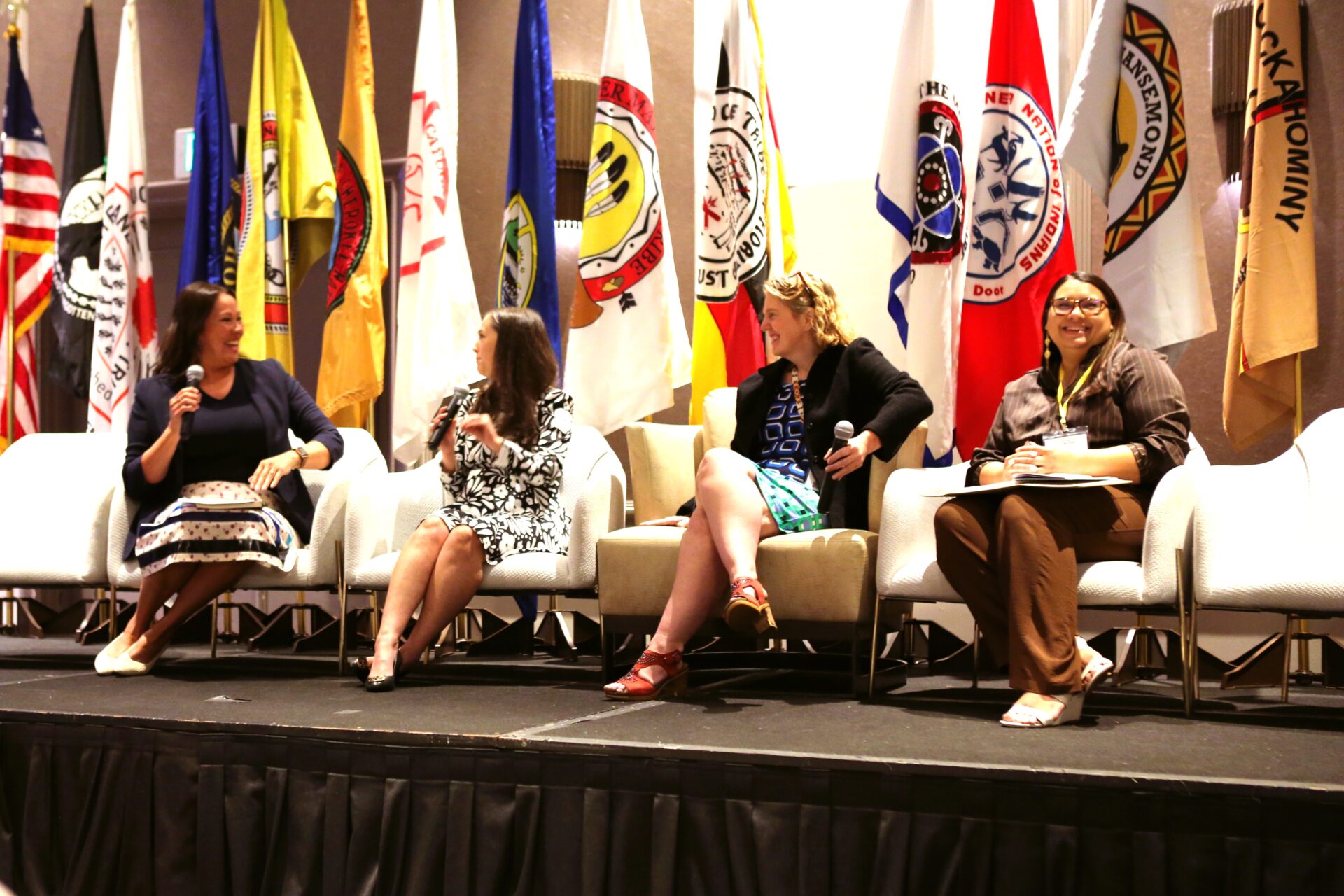
The general session, The Braided Path: Leveraging Strength and Connections, served as a central thematic anchor for the 2026 Best Practices Conference, illustrating how Tribal Nations and partner organizations move forward by weaving together diverse knowledge systems, experiences, and strategies. A key component of the discussion included reflections from the VA 250 event in which USET participated. USET Executive Director Kitcki Carroll shared their perspectives and experiences from the engagement, reinforcing the importance of intentional engagement and relationship-building as part of both historical recognition and forward-looking collaboration.
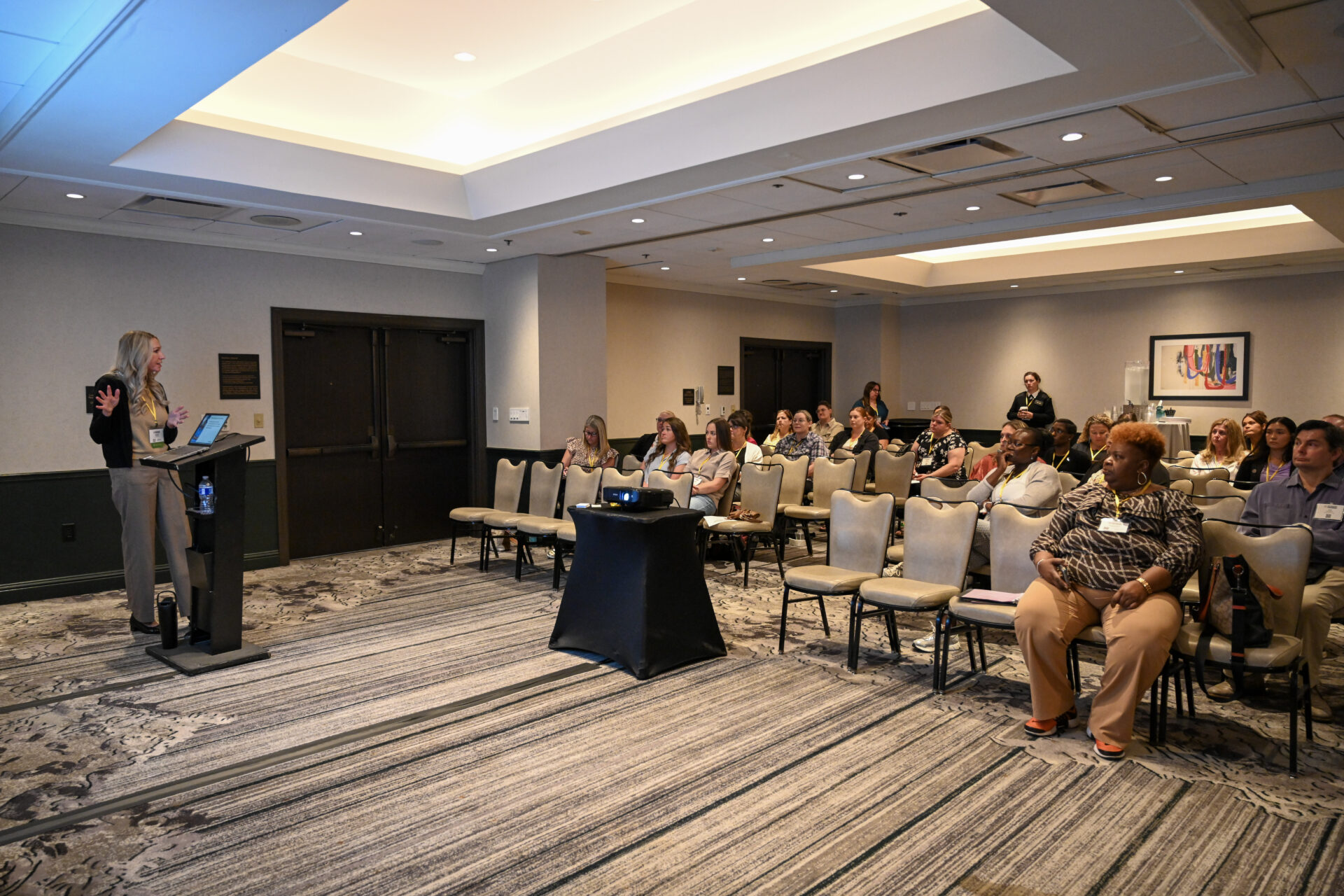
Early Afternoon Breakout Sessions
- GPRA EBCI Dental Screening in a School Setting
- Organizational Change Management in Adopting a New EHR
- Resilient Garden Planning & Community Engagement
- Tribal Empowerment and Economic Advancement Initiative
Late Afternoon Breakout Sessions
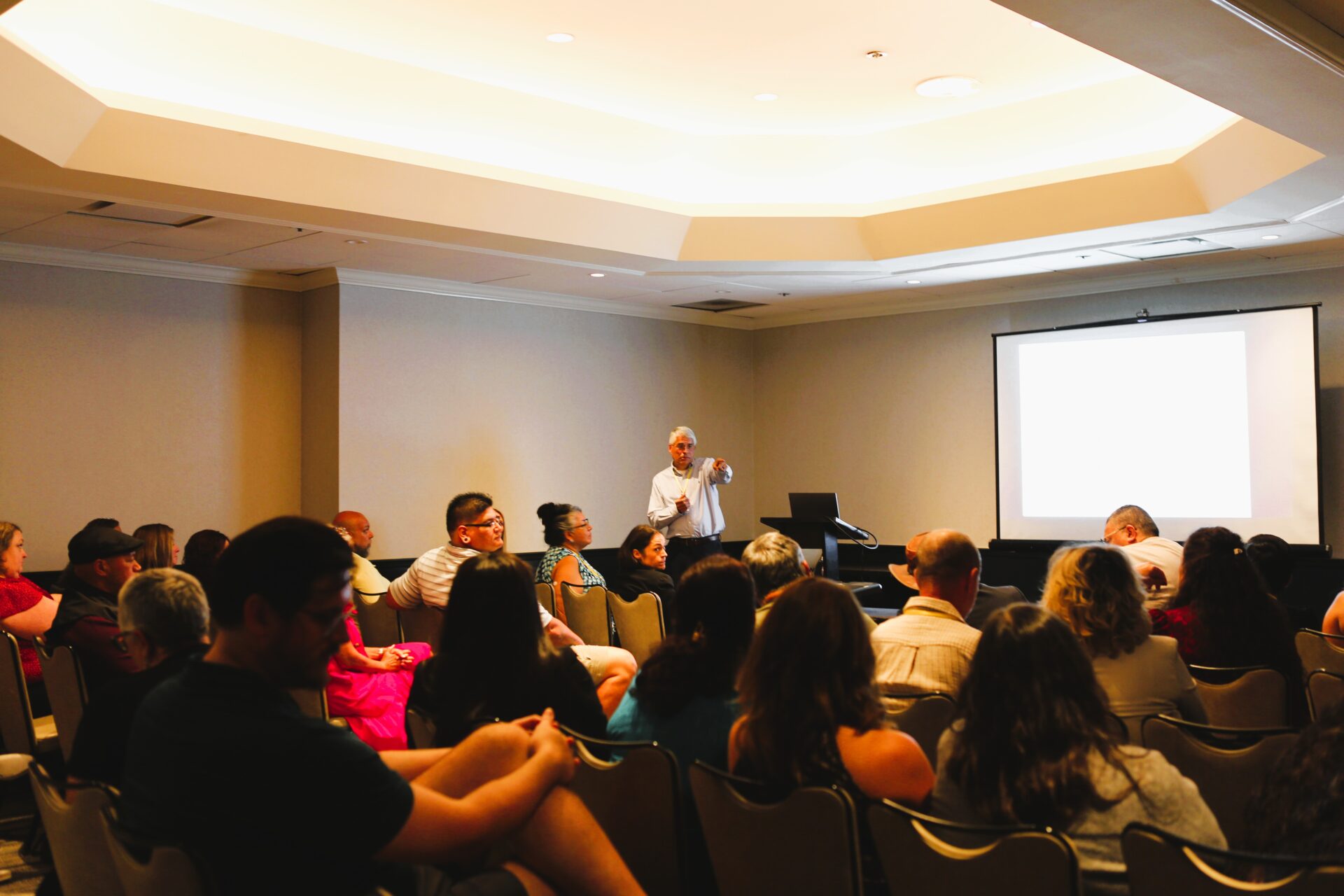
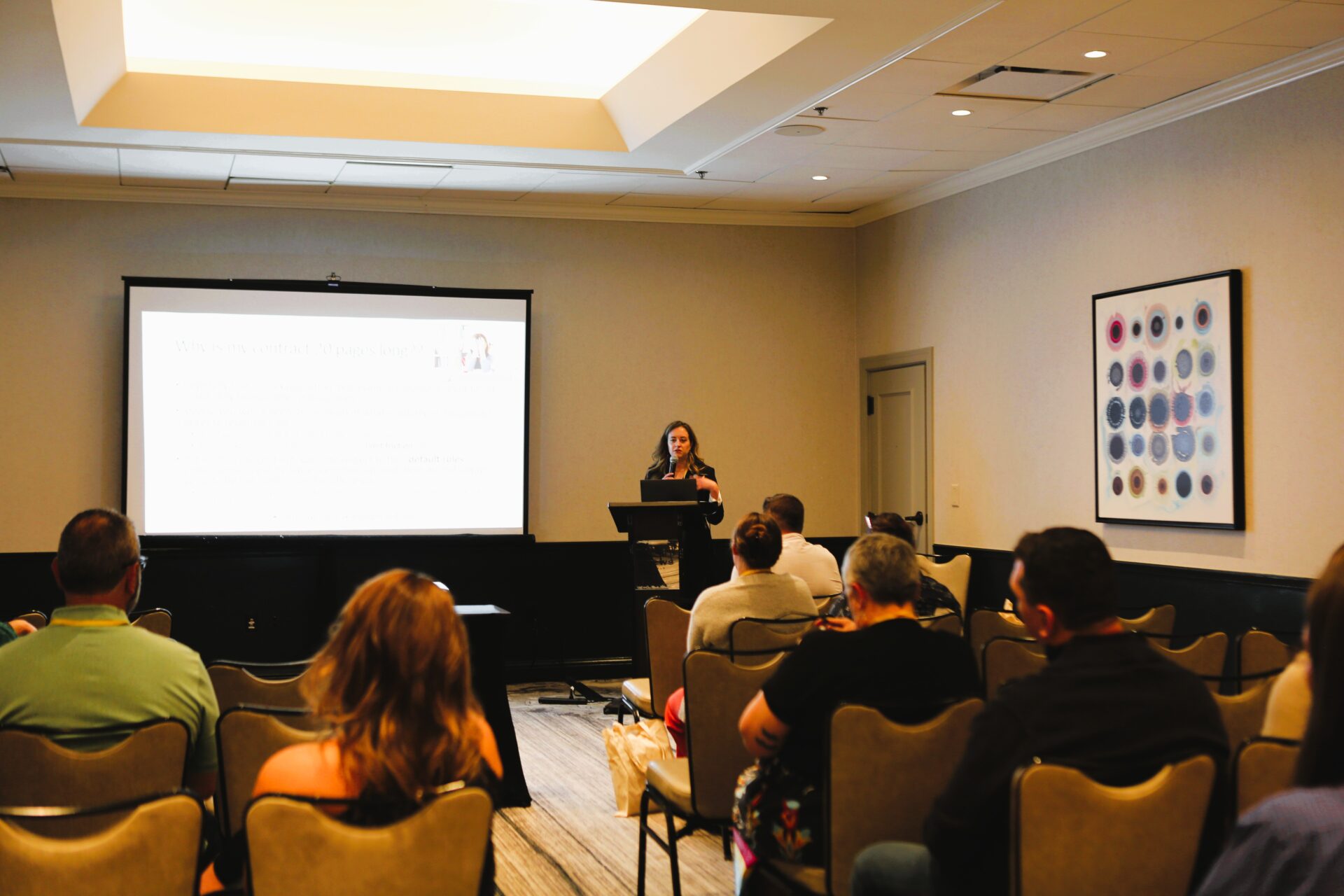
- Contracting Best Practices
- From Detection to Protection Overcoming Barriers to Safe Drinking Water in Tribal Communities
- Māori Food Sovereignty
- Utilizing Team Huddles to improve GPRA Performance
Tuesday, June 16
Sovereignty in Action: Upholding Our Rights Through Programmatic Strength
This session highlighted how Tribal Nations actively exercise sovereignty through the design and implementation of strong, effective programs. Rather than approaching sovereignty as an abstract concept, speakers demonstrated how it is realized daily through governance, service delivery, and strategic decision-making. The session reinforced that sovereignty is not static, but continuously enacted through intentional, well-supported programmatic work.
Healing Wellness Court: Full Circle Support
This session explored innovative, culturally grounded approaches to justice and healing within Tribal communities. Centered on the model of Houlton Band of Maliseet’s Wellness Court, the discussion emphasized a holistic, wraparound approach that integrates accountability, treatment, and community support.
Morning Breakout Sessions
- Chronic Care Management
- Critical Success Factors for Tribal Self-Governance
- Innovative Funding Models That Work
- Tribal Food Systems
Afternoon Breakout Session
- GPRA Updates
- Getting Ready to Get Ready; How to use the guide for EHR Migration IHS
- Our Children, Our Future Environmental Health and Infrastructure Strategies for Safe Drinking Water
- Stories as Guides Centering our Origin Stories for Decolonial Health & Evaluation
- Stronger Together Community, Creativity, and the Social Determinants of Entrepreneurial Health
Movement as Medicine: Culturally Led Programmatic Work
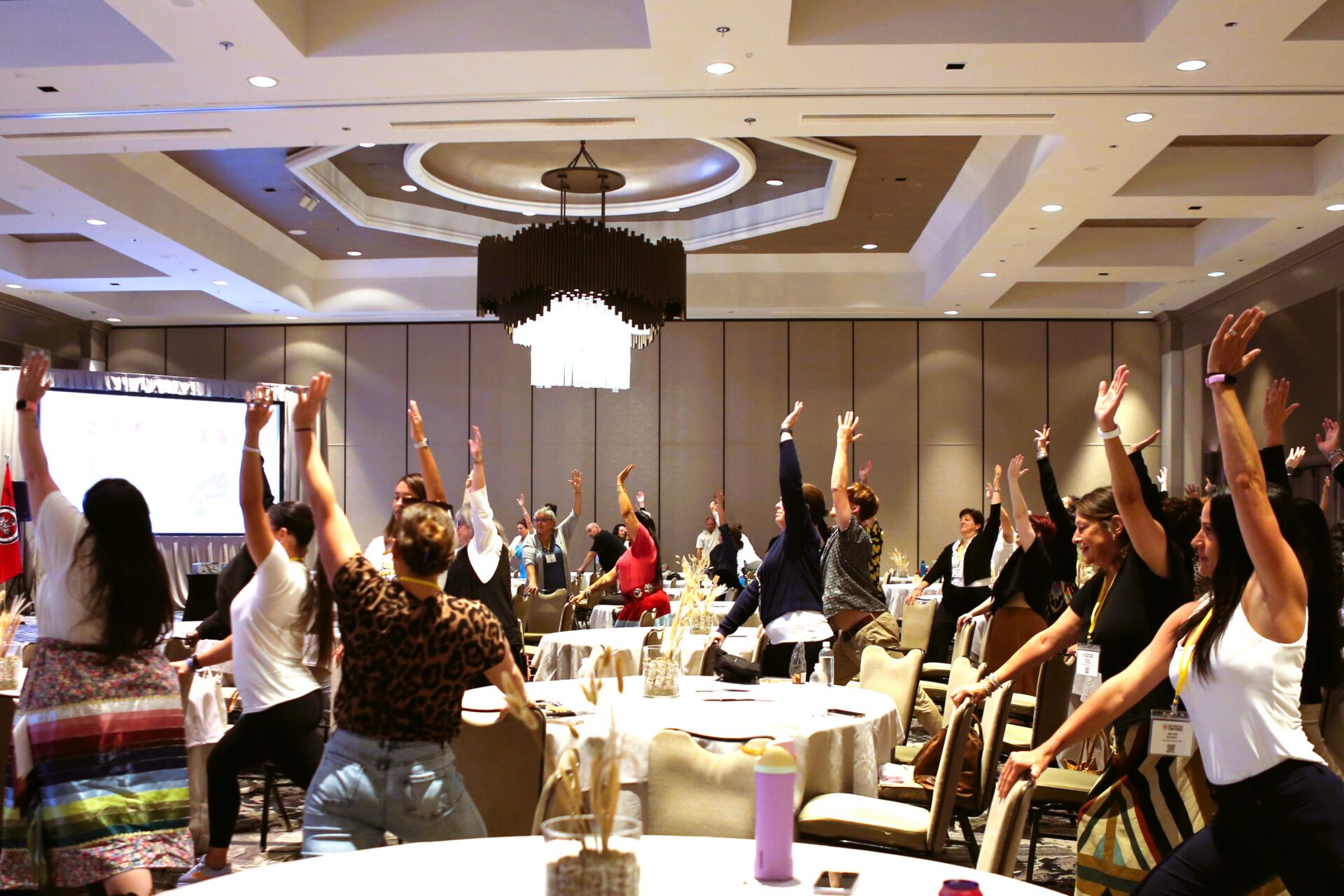
This session examined the role of culturally anchored physical activity and wellness initiatives in promoting community health. The session focused on how Tribal Nations are designing programs that incorporate traditional practices, community engagement, and culturally relevant approaches to wellness.
Wednesday, June 17
Fireside Chat In The Language of Our Ancestors
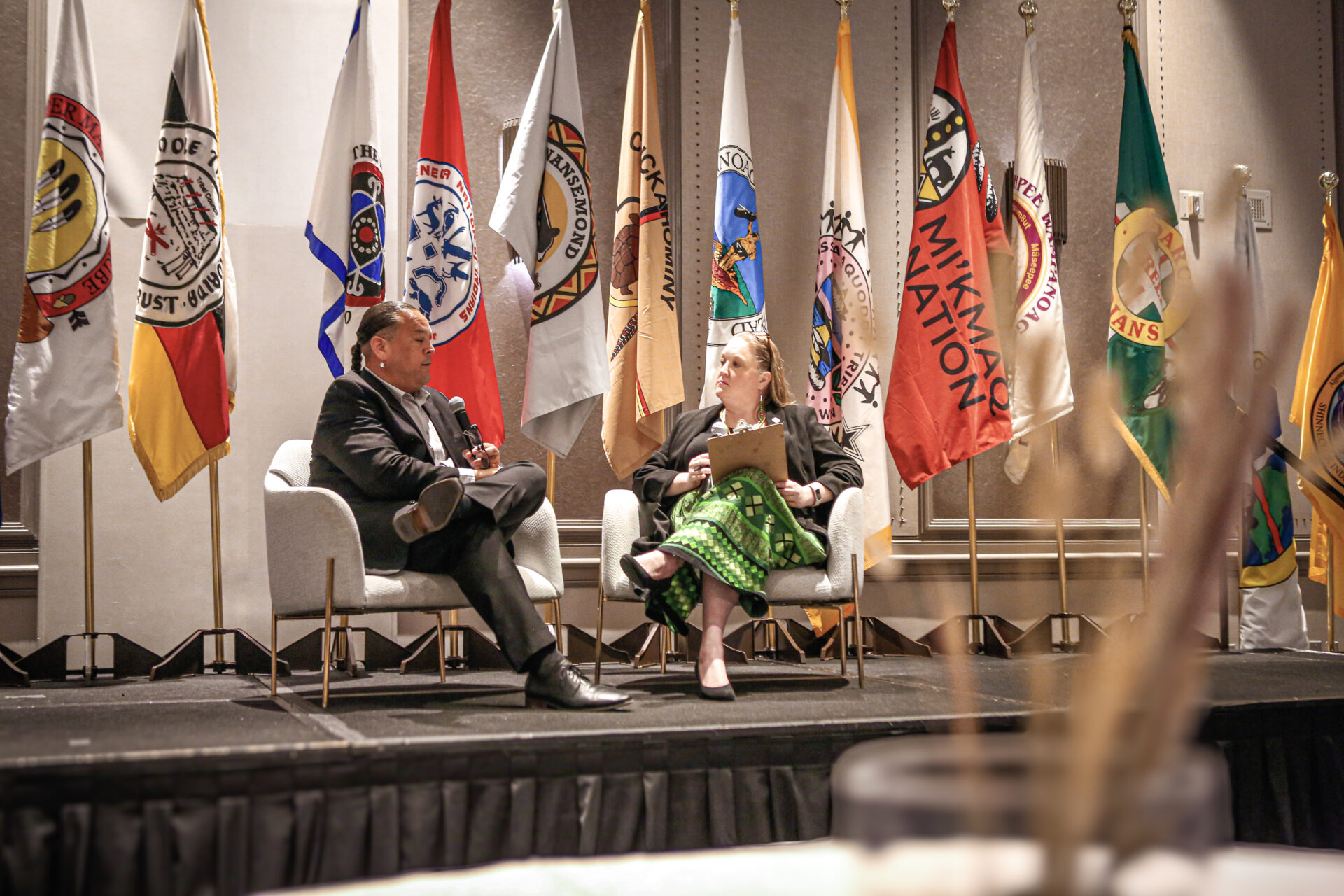
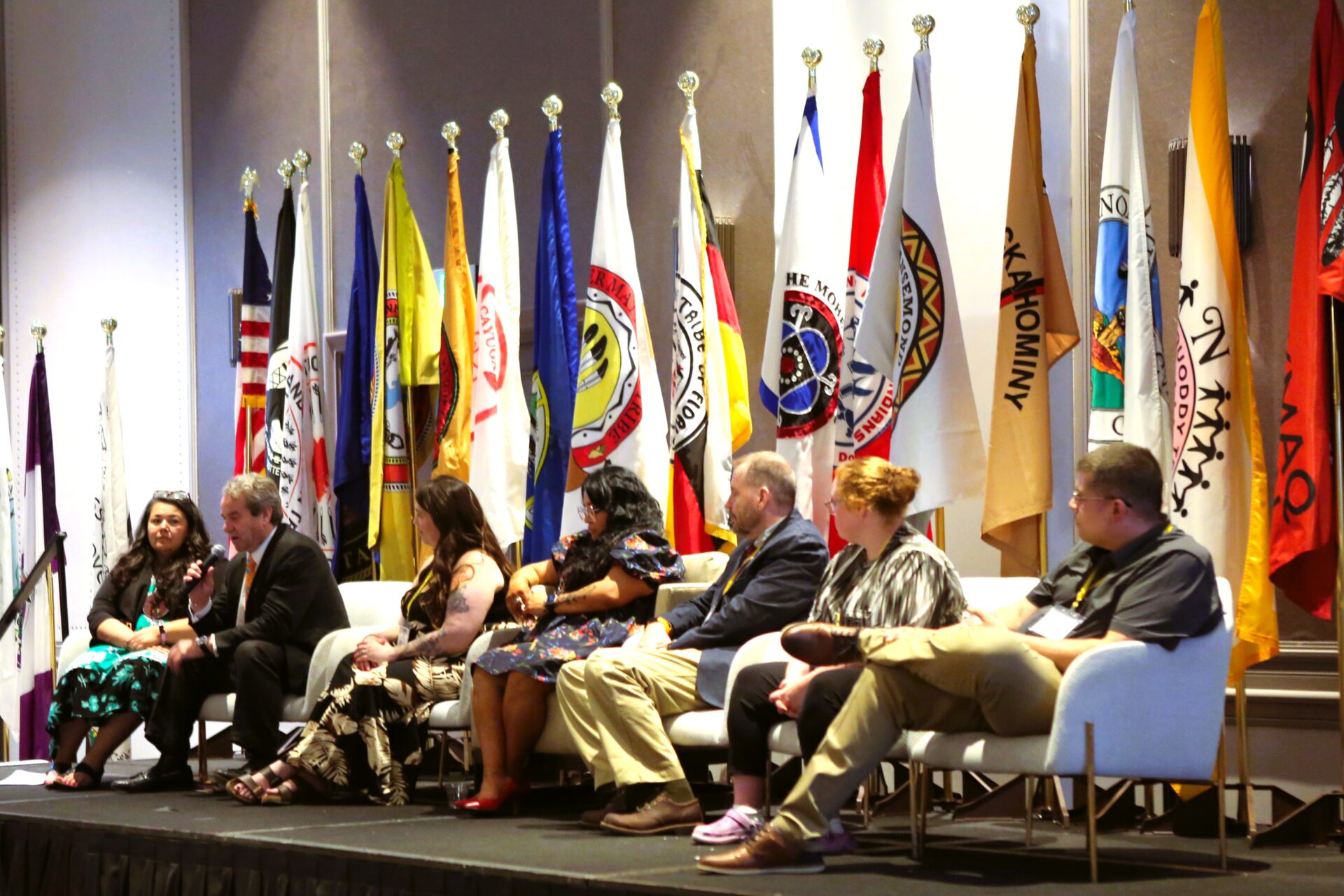
The fireside chat included Māori community leaders and USET/USET SPF President Kirk Francis and USET/USET SPF Treasurer Crystal Williams and their reflections centered on the importance of language preservation and revitalization. Through personal stories and shared experiences, speakers emphasized the deep connection between language, identity, and community well-being. The session reinforced that language is more than communication, it is a living expression of culture, worldview and a critical component of Tribal sovereignty and continuity.
Advancing Traditional Health Care Through State Waivers A Panel Discussion
This panel focused on strategies for expanding access to culturally appropriate care through policy and partnership. Panelists discussed how Tribal Nations are working with states and federal partners to leverage waiver opportunities that support reimbursement and integration of traditional healing practices within healthcare systems.
Morning Breakout Sessions
- 6 Steps to Drinking Water Laboratory Certification
- 638 Transition Planning Expanding PSFAs
- Built to Bend Designing Flexible Projects in Uncertain Times
- Traditional Foods Exchange Veggie Bucks
Afternoon Breakout Sessions
- Opioid Task Force Interest Luncheon
- Healthy Places, Thriving Economies Designing Tourism Strategies that Improve Community
- Māori Raakai “Lifting Immunizations” Research Project
- Native Plant Nursery Significance and Practices
- What’s Age got to do with it Connecting with Youth in our Community
Closing Session
- Closing Blessing and Song provided by Penobscot Indian Nation Councilman Ronald Bear and his son Cree Neptune-Bear. Both are members of Burnurwurbskek Singers, a group of men representing many of Maine’s Wabanaki people (including the Penobscot, Passamaquoddy, Maliseet and Mic Mac tribes), who have been singing and drumming together for almost 25 years. They perform traditional northeast Native American woodland songs that date back to time immemorial, as well as more contemporary, intertribal songs. These songs have been passed down in their rich oral tradition from generation to generation - from fathers, grandfathers and uncles to brothers, cousins and sons.
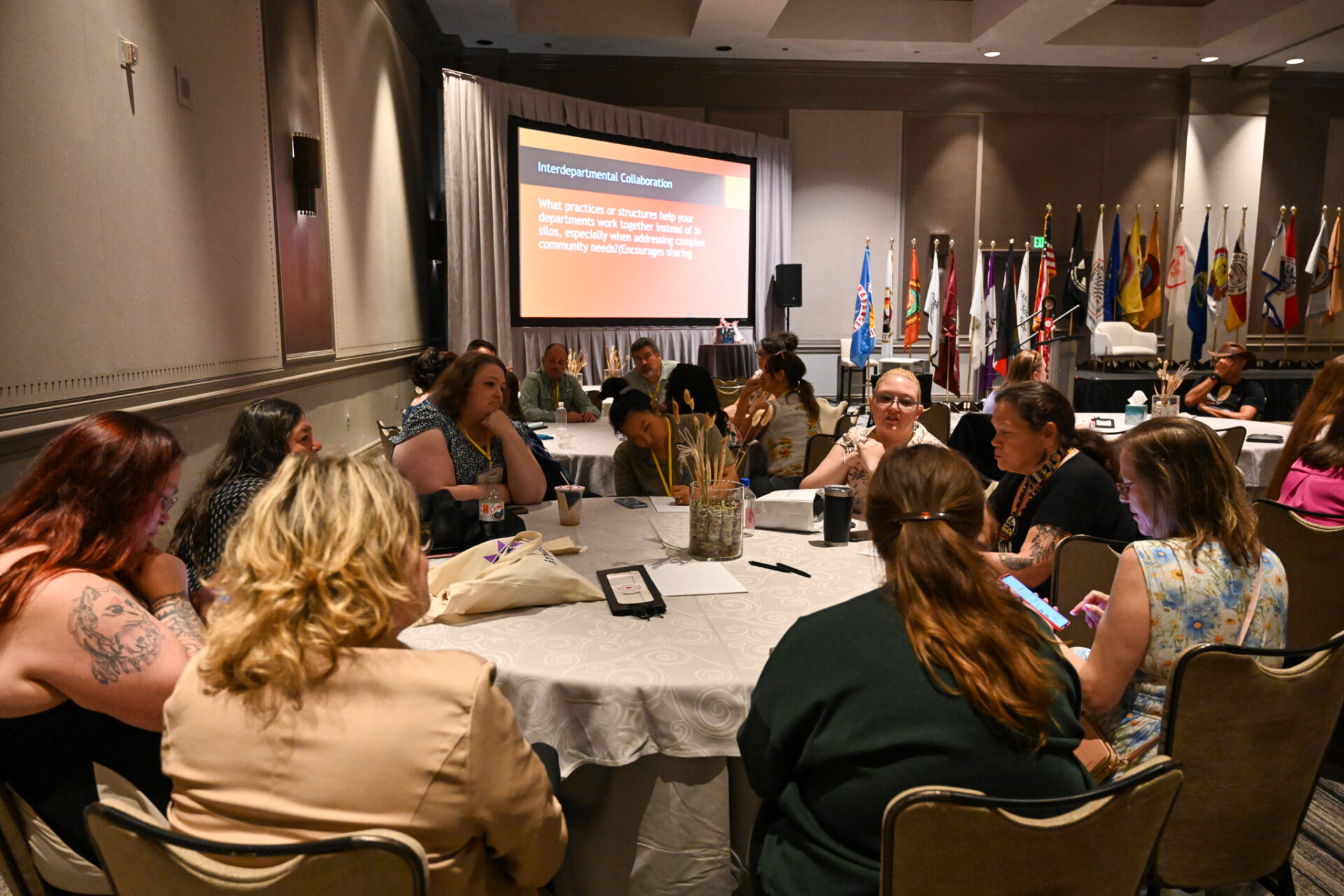
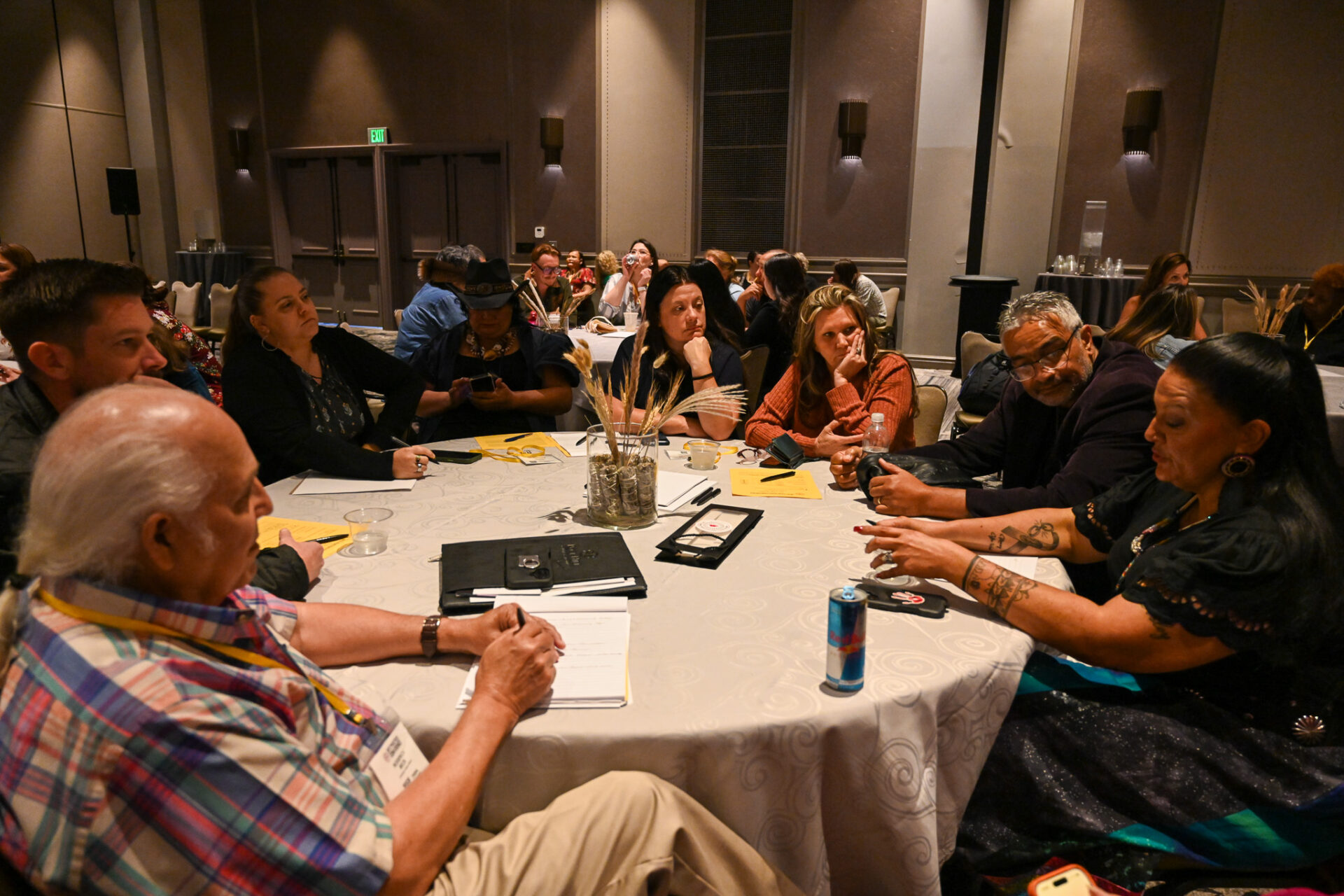
- In the Round Facilitated Roundtable Discussions - The final general session provided an interactive and participate-driven space for peer exchange and collaborative problem-solving. Unlike traditional presentation formats, this session brought attendees together in small, facilitated groups organized around key topics and priority areas. Attendees engaged in open dialogue, sharing experiences, challenges, and best practices across Tribal Nations and program areas. USET’s Office of Public Health Director, Onawa Miller, facilitated guided discussions to ensure inclusive participation while capturing key themes and actionable insights.
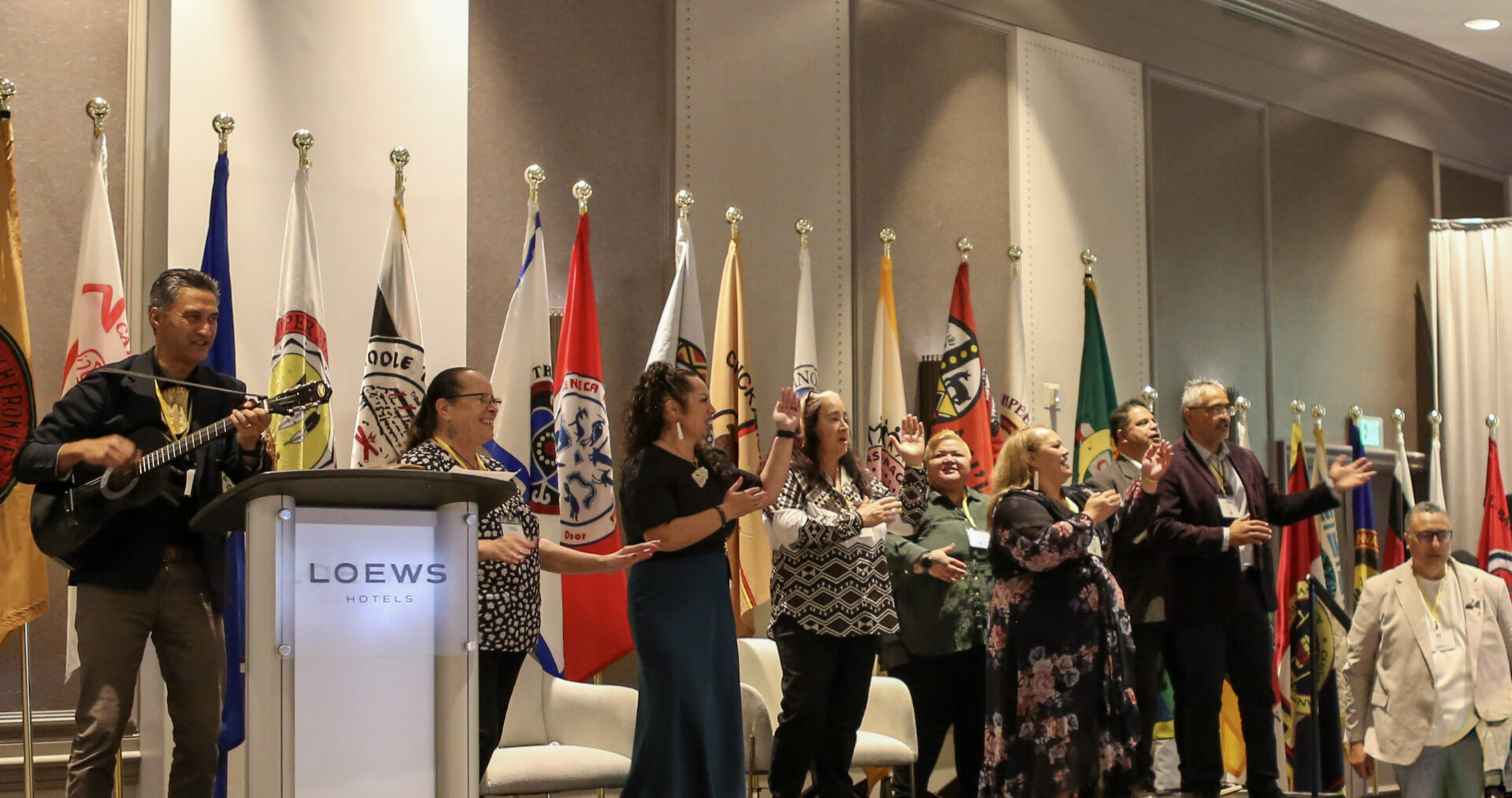
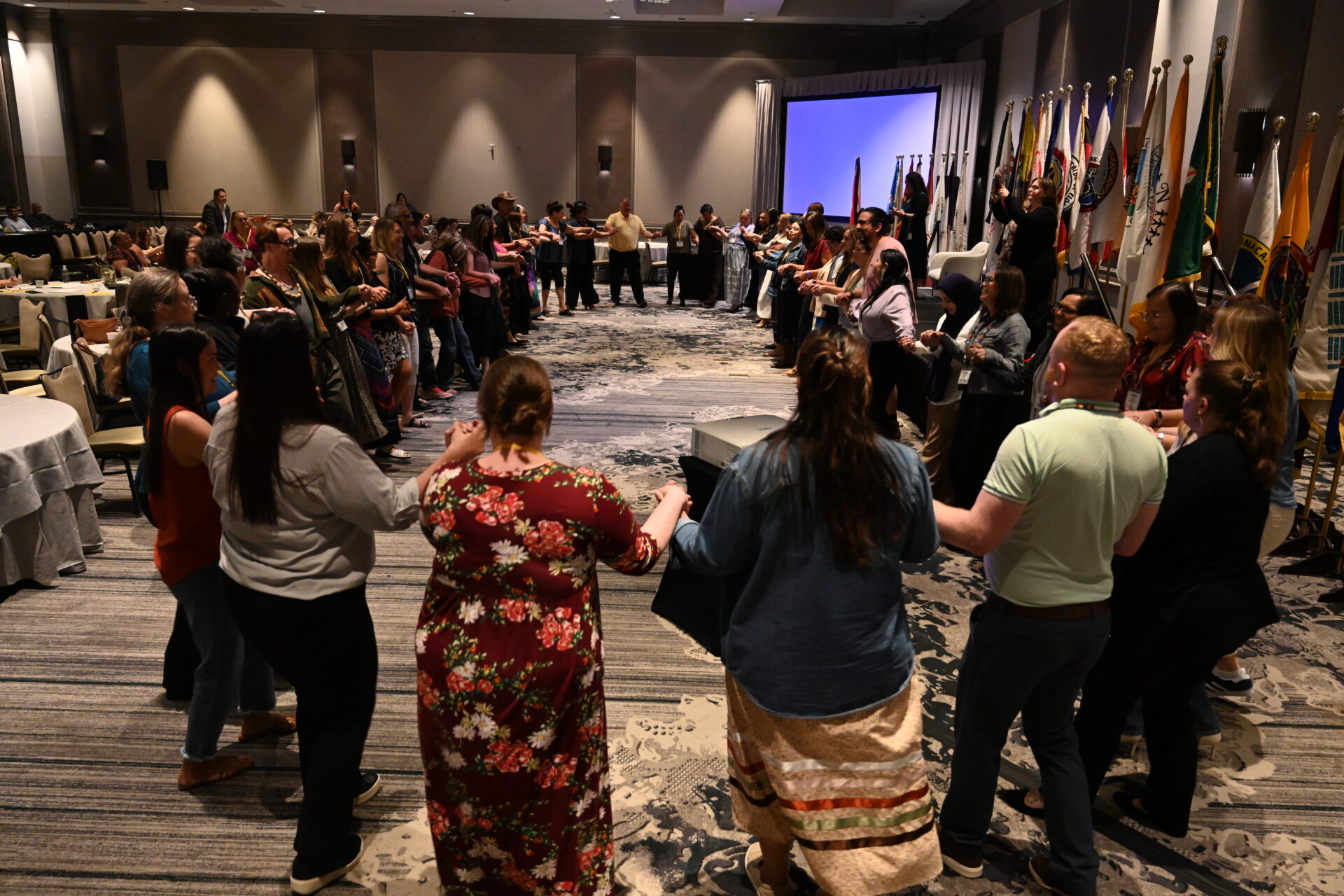
- A social round dance closed out the conference lead by USET’s Staff Epidemiologist, Amanda Rourke. Amanda is a Tribal citizen (Bear clan) of the Saint Regis Mohawk Tribe.
Exhibitors and Vendors
Exhibitors
American Academy of Addiction Psychiatry
Intertribal Agriculture Council
USET Employee Relations and Personnel Management (ERPM)
USET Office of Environmental Resource Management (OERM)
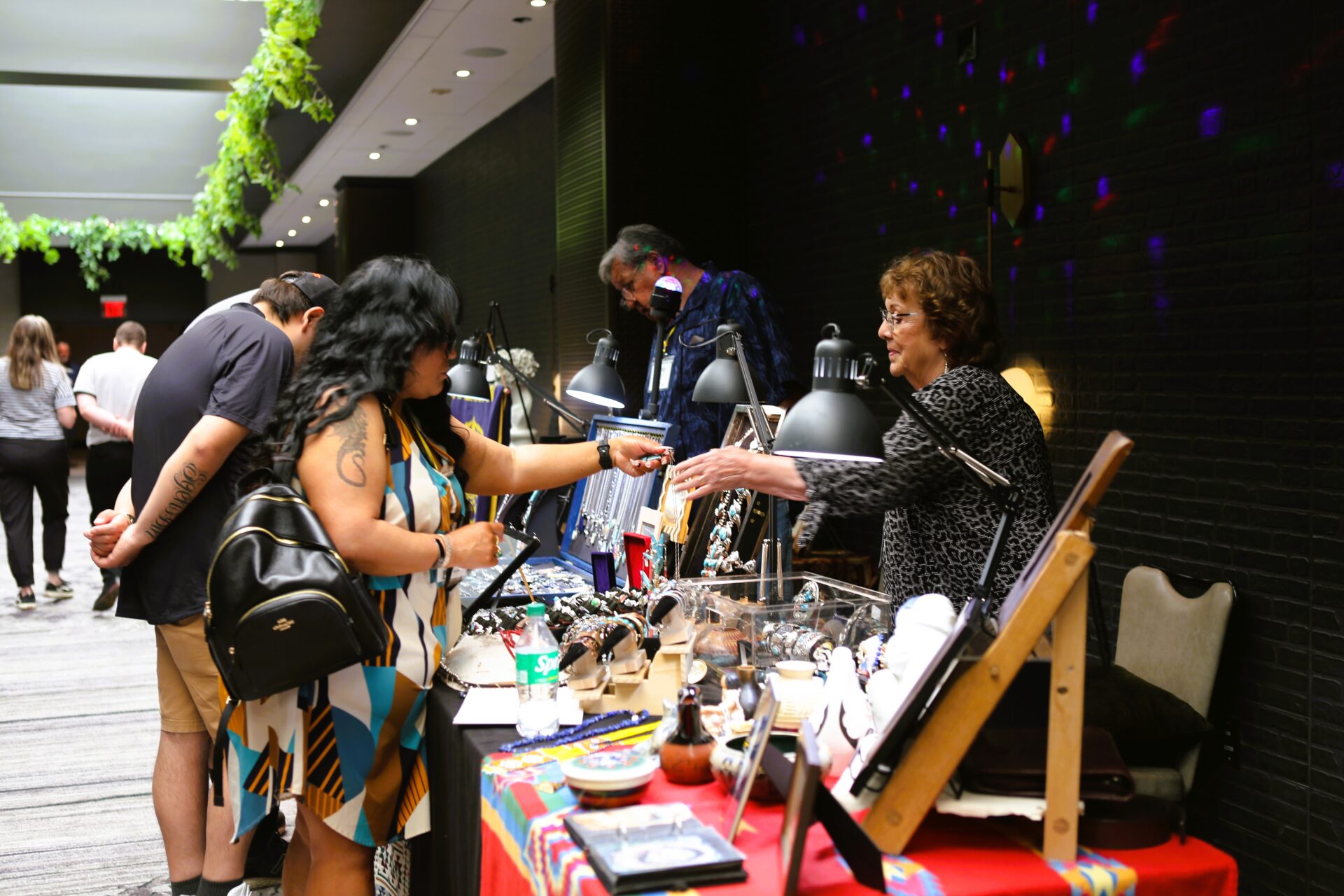
Vendors/Artisans
Ann Yazzie Jewelry Company
Jeanine Clarkin
Mi’kmaq Style
Prescott Arts and Trade Goods