Introduction
Created in 2017, the USET Community Resilience Program assists Tribal Nations with community resilience planning. Through the OERM staff, this program also connects Tribal Nations with resources at regional Climate Adaptation Science Centers and other partners to support Tribal adaptation planning and resiliency.

Community Resilience 101
Community Resilience 101
Learn about the basics of Community Resilience planning.

Events, Webinars, and Trainings
Events, Webinars, and Trainings
See all upcoming Community Resilience events.
Student and Youth Opportunities
Student and Youth Opportunities
Find information about the latest scholarships, internships, fellowships, and other opportunities for Native students in the areas of natural resources and Community Resilience.
Tribal Community Resilience Planning Documents and Publications
Tribal Community Resilience Planning Documents and Publications
Find a collection of Climate Adaptation Plans and vulnerability assessments that are publicly available and produced by Tribal Nations or organizations.
Funding Opportunities
Funding Opportunities
Find information about the latest funding announcements, opportunities, and RFPs in the natural resources and Community Resilience arena.
Community Resilience Employment Opportunities
Community Resilience Employment Opportunities
Resolutions, Comments, and Testimony
Resolutions, Comments, and Testimony
Access USET’s official resolutions, comments, and testimonies related to Community Resilience.

ITEP’s STACC Report
ITEP’s STACC Report
This Month's Top News and Stories
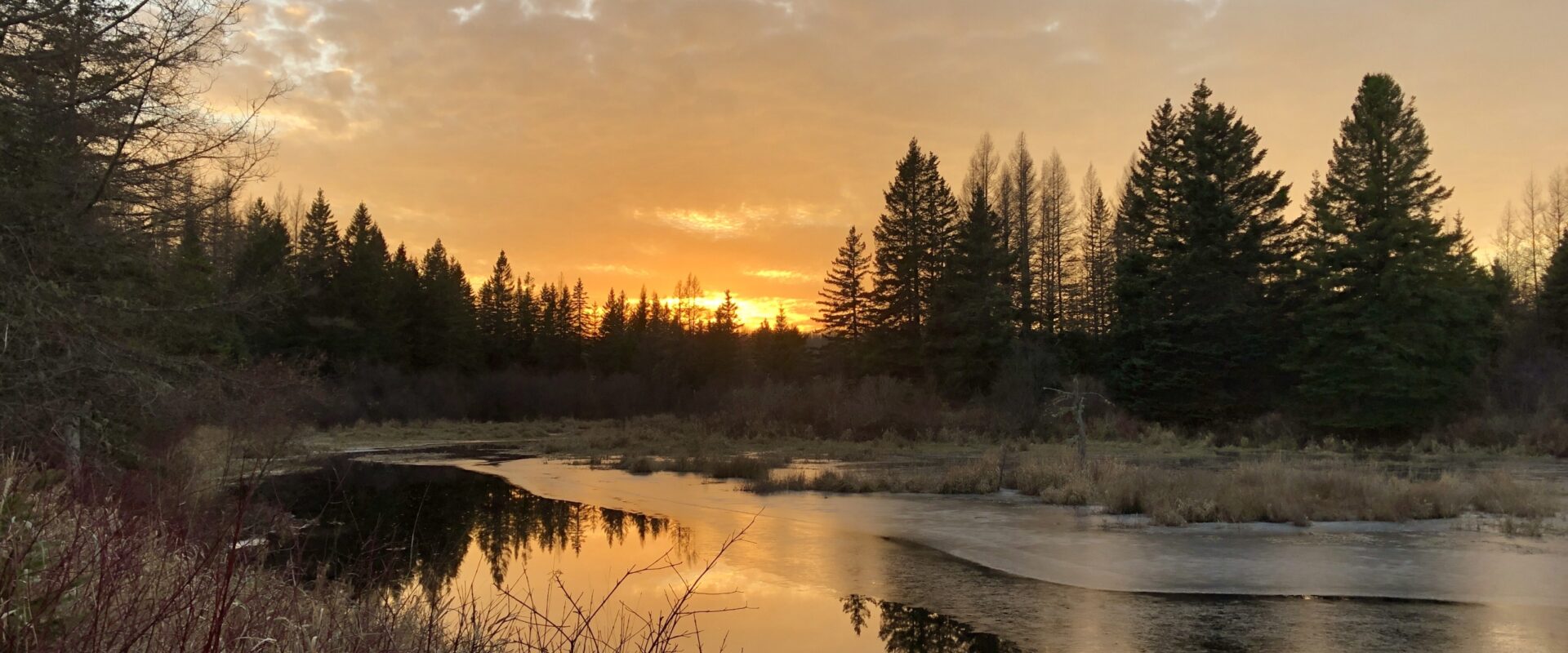
Mi’kmaq Nation joins co-stewardship agreement with wildlife refuge
“The water is our life, the soil is our soul. So we just want people to appreciate and respect what the land means to us, and partner with us so that we steward this land moving forward.”
Join USET’s 2026 Resilience Roundtables
Tribal leaders, citizens, and staff are invited to join monthly virtual roundtable discussions on Tribal Nations’ resilience strategies, successes, and challenges.

Tribal Nations and data centers: Emerging issues and resources
While each Nation must make their own determinations of the potential costs and benefits of data centers, we provide some recent sources of information to assist Tribal leaders, staff, and citizens in understanding and addressing these changes...

Florida Fish and Wildlife Conservation Commission: Florida’s Nonnative Fish and Wildlife
Nonnative species do not belong in Florida. Some do not cause many, if any, problems. Others, however, are invasive, meaning that they negatively impact native fish and wildlife, cause damage that is costly to repair, or pose a threat to human health and safety. Access the Resource
Florida DACS – Florida Forest Service: Forests and Wildfire Publications
The Florida Forest Service has assembled all their publications on forests and wildfire in one convenient location on their website. Access the Resource
EDDMapS
EDDMapS is a web-based mapping system for documenting invasive species and pest distribution. It is fast, easy to use, and doesn’t require Geographic Information Systems experience. Launched in 2005 by the Center for Invasive Species and Ecosystem Health at the University of Georgia, it was originally designed as a…
Eastern Forest Environmental Threat Assessment Center: U.S. Forest Change Assessment Viewer
The U.S. Forest Change Assessment Viewer is the interactive map component of the USFS program, ForWarn II. ForWarn II is a vegetation change recognition and tracking system that uses moderate resolution satellite (MODIS) data. It provides near real-time change maps for the continental United States (CONUS). Changes detected can…
Drought Risk Atlas
The National Drought Mitigation Center Drought Atlas project is intended to provide a wide range of decision makers with historical drought information and a web-based tool to visualize and assess their risk to drought. A station-based approach lets you find the station closest to your area of interest as…
Decision Tools for the Soil Climate Analysis Network
The U.S. Department of Agriculture's Natural Resources Conservation Service (USDA NRCS) operates a comprehensive, nationwide soil moisture and climate information network. The Soil Climate Analysis Network, also known as SCAN, supports natural resource assessments and conservation activities through its network of automated climate monitoring and data collection sites. SCAN focuses…
Connecticut DEEP – Invasive Species
Over the years, a variety of non-native species (plants, animals, and other organisms) have been introduced to Connecticut. Non-native species are those that are alien to the ecosystem that they have been introduced into and whose introduction causes or is likely to cause harm to the environment or human…