Introduction
Created in 2017, the USET Community Resilience Program assists Tribal Nations with community resilience planning. Through the OERM staff, this program also connects Tribal Nations with resources at regional Climate Adaptation Science Centers and other partners to support Tribal adaptation planning and resiliency.



Community Resilience 101
Community Resilience 101
Learn about the basics of Community Resilience planning.

Events, Webinars, and Trainings
Events, Webinars, and Trainings
See all upcoming Community Resilience events.
Student and Youth Opportunities
Student and Youth Opportunities
Find information about the latest scholarships, internships, fellowships, and other opportunities for Native students in the areas of natural resources and Community Resilience.
Tribal Community Resilience Planning Documents and Publications
Tribal Community Resilience Planning Documents and Publications
Find a collection of Climate Adaptation Plans and vulnerability assessments that are publicly available and produced by Tribal Nations or organizations.
Funding Opportunities
Funding Opportunities
Find information about the latest funding announcements, opportunities, and RFPs in the natural resources and Community Resilience arena.
Community Resilience Employment Opportunities
Community Resilience Employment Opportunities
Resolutions, Comments, and Testimony
Resolutions, Comments, and Testimony
Access USET’s official resolutions, comments, and testimonies related to Community Resilience.

ITEP’s STACC Report
ITEP’s STACC Report
This Month's Top News and Stories
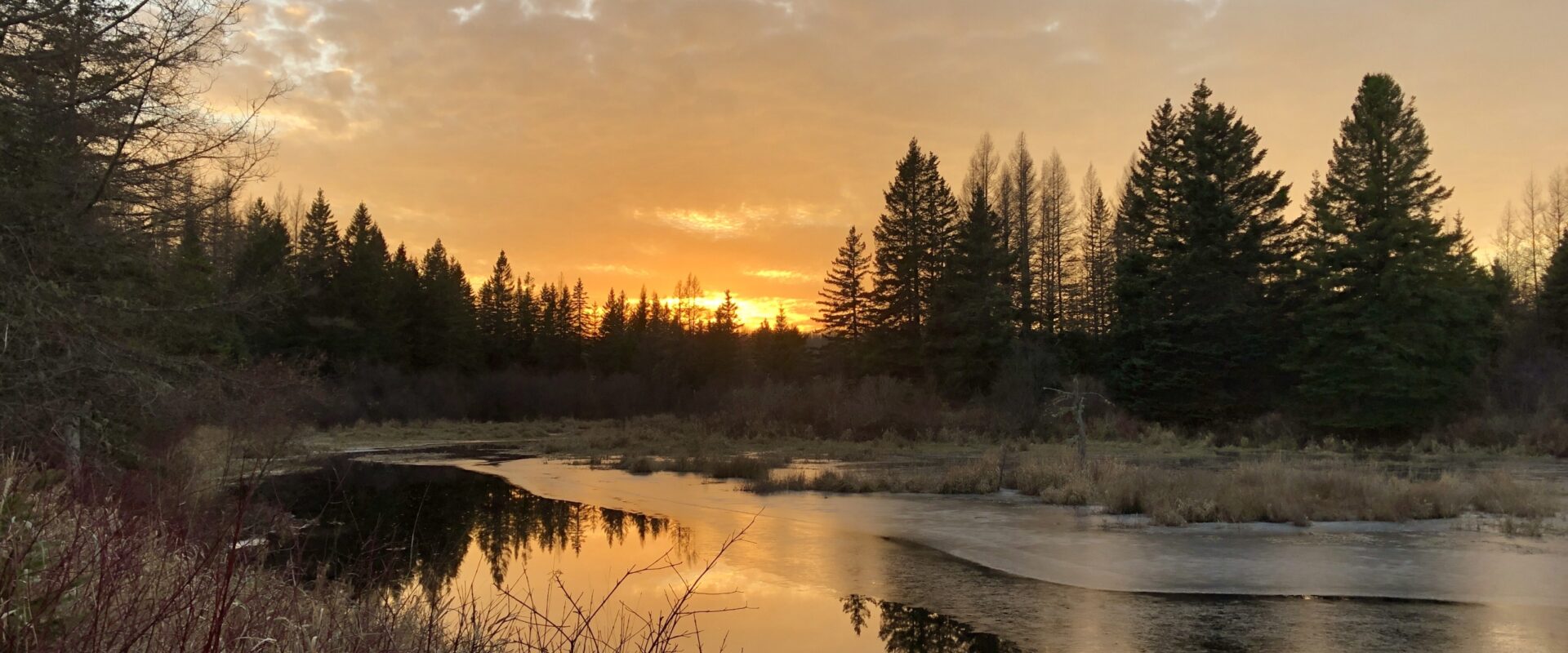
Mi’kmaq Nation joins co-stewardship agreement with wildlife refuge
“The water is our life, the soil is our soul. So we just want people to appreciate and respect what the land means to us, and partner with us so that we steward this land moving forward.”

Join USET’s 2026 Resilience Roundtables
Tribal leaders, citizens, and staff are invited to join monthly virtual roundtable discussions on Tribal Nations’ resilience strategies, successes, and challenges.

Tribal Nations and data centers: Emerging issues and resources
While each Nation must make their own determinations of the potential costs and benefits of data centers, we provide some recent sources of information to assist Tribal leaders, staff, and citizens in understanding and addressing these changes...


Connecticut DEEP – CT Forest Action Plan
The Connecticut Forest Action Plan acts as a guide for the Division of Forestry and hopefully inspires others to improve and protect Connecticut’s forest resources for future generations. Created in collaboration with many partners and stakeholders, the Forest Action Plan aims to identify issues and prioritize important areas, values, and…
Connecticut DEEP – Climate Adaptation and Resilience
The Connecticut Institute for Resilience & Climate Adaptation (CIRCA) is a partnership of UConn and DEEP that focuses on increasing the resilience and sustainability of communities along Connecticut’s coast and inland waterways. These communities’ natural, built, and human environments are vulnerable to the growing impacts of climate change. CIRCA…
Climate Explorer
Individuals, businesses, and communities of all sizes can use the Climate Explorer to understand how climate conditions in their locations are projected to change over coming decades. This information—derived from global climate models—can help people assess potential exposure, vulnerability, and risk to their assets. Access the Resource
Climate Change Tree and Bird Atlases
Both of these online tools use a three-step model that attempts to capture information on current and projected future suitable habitat, likelihood of colonization, as well as additional factors such as tree pests and diseases of concern for certain species. With this information compiled the model works to project…
Alabama Forestry Commission – Publications
The Alabama Forestry Commission has compiled all their publication in one convenient, easy to navigate location. Publications range from brochures, formal and technical reports, to brief fact sheets that cover a wide range of forestry related topics from herbicides to invasive species. Access the Resource
Alabama Forestry Commission – Invasive Species
The introduction and spread of non-native invasive organisms have resulted in the degradation of native forests. The encroachment of these exotic animals, plants, insects, and pathogens can alter native plant composition and disrupt indigenous species regeneration that will ultimately reduce biodiversity. Invasive pests will cause economic and environmental harm…
Alabama Forestry Commission – Forest Insects and Diseases
Forest insects can have a significant impact on the health and mortality of trees. There are different types of insects that will attack trees such as wood borers, bark beetles, defoliators, meristem feeders, and sap consumers. Most native insects are periodic pests, appearing at epidemic levels every several years,…